

Hey there, jewelry enthusiasts! As a supplier of zinc alloy wire, I've seen firsthand the importance of choosing the right wire for your jewelry projects. It can make or break the final piece, so today, I'm going to share some tips on how to select the best zinc alloy wire for your next creation.
Understanding Zinc Alloy Wire
First things first, let's talk a bit about what zinc alloy wire is. Zinc alloy is a combination of zinc with other metals like copper, aluminum, or magnesium. This blend gives the wire unique properties that make it a popular choice in the jewelry industry. It's relatively affordable, has good malleability, and can be finished in various ways to achieve different looks.
Consider the Project Requirements
The type of jewelry you're making will largely determine the kind of zinc alloy wire you need. Are you creating delicate, intricate pieces like filigree necklaces or chunky, statement bracelets?
- Delicate Jewelry: For fine and detailed work, you'll want a thinner wire. Thinner wires, usually around 0.2 - 0.5 mm in diameter, are great for creating intricate designs like spirals, loops, and chains. They're more flexible and easier to manipulate into complex shapes without breaking.
- Statement Jewelry: If you're going for a bold look, thicker wires in the range of 1.0 - 3.0 mm are your best bet. These wires can add structure and durability to your pieces, making them stand out. They're ideal for creating large pendants, cuffs, and chunky links.
Check the Quality
Quality is key when it comes to zinc alloy wire. Here are some factors to consider:
- Purity: The purity of the zinc alloy affects its strength and appearance. A higher percentage of zinc generally means better corrosion resistance and a more consistent finish. Look for wires with a high zinc content, usually around 90% or more.
- Surface Finish: The surface of the wire should be smooth and free of scratches, pits, or other imperfections. A rough surface can make it difficult to work with and may affect the overall look of your jewelry. You can choose from different finishes, such as matte, shiny, or textured, depending on the style of your project.
- Strength and Durability: The wire should be strong enough to hold its shape without bending or breaking easily. You can test the strength by gently bending the wire back and forth. If it snaps or shows signs of weakness, it may not be suitable for your project.
Evaluate the Color and Coating
Zinc alloy wire comes in a variety of colors and coatings, which can add a unique touch to your jewelry.
- Natural Color: The natural color of zinc alloy is a silver-gray tone. This can be a great base for creating a classic, timeless look. You can also patina the wire to give it an aged or antique appearance.
- Plated Colors: Plating the wire with other metals like gold, rose gold, or rhodium can give it a luxurious and eye-catching look. Gold-plated zinc alloy wire is especially popular for creating high-end jewelry pieces. Make sure the plating is even and durable to prevent it from wearing off over time.
- Coatings for Protection: Some wires come with a protective coating to prevent tarnishing and corrosion. This can be especially useful if you're creating jewelry that will be exposed to moisture or chemicals. Look for wires with a clear, non-toxic coating that won't affect the appearance or flexibility of the wire.
Think About the Flexibility
Flexibility is an important factor to consider, especially if you're planning to create pieces that require a lot of bending and shaping.
- Soft vs. Hard Wire: Zinc alloy wire can be classified as either soft or hard. Soft wire is more flexible and easier to bend, making it ideal for creating curves and loops. Hard wire, on the other hand, is stiffer and holds its shape better, which is great for creating straight lines and structures.
- Annealing: If you need to make a hard wire more flexible, you can anneal it by heating it with a torch and then letting it cool slowly. This process softens the wire and makes it easier to work with. However, be careful not to overheat the wire, as this can cause it to lose its strength and shape.
Compare Prices and Suppliers
When selecting zinc alloy wire, it's important to compare prices and suppliers to get the best deal.
- Price: The price of zinc alloy wire can vary depending on the quality, thickness, color, and coating. Don't always go for the cheapest option, as this may not guarantee the best quality. Look for a balance between price and quality to get the most value for your money.
- Supplier Reputation: Choose a supplier with a good reputation for providing high-quality products and excellent customer service. You can read reviews and testimonials from other customers to get an idea of the supplier's reliability. A trustworthy supplier will also offer a warranty or return policy in case you're not satisfied with the product.
Other Applications of Zinc Alloy Wire
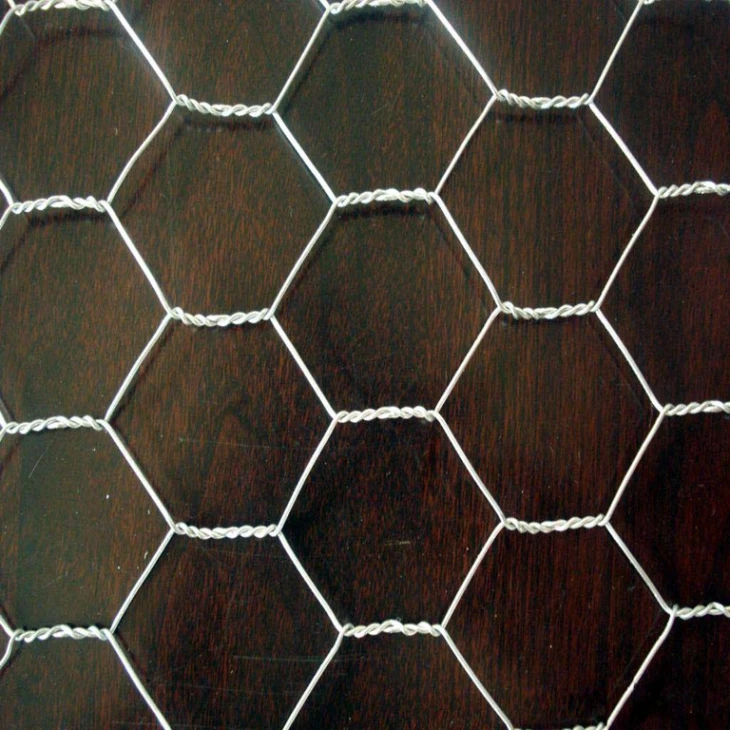
Zinc alloy wire isn't just for jewelry. It has a wide range of other applications too. For example, you might be interested in Gardening Binding Wire, which is used to tie plants and support structures in the garden. There's also Galvanized Steel Oval Wire for cattle fence, which is strong and durable enough to keep livestock safe. And if you're into DIY projects, Chicken Wire can be used for all sorts of creative endeavors.

Conclusion
Selecting the best zinc alloy wire for your jewelry project requires careful consideration of several factors, including the project requirements, quality, color, flexibility, and price. By following these tips, you can ensure that you choose the right wire for your needs and create beautiful, high-quality jewelry pieces.
If you're interested in purchasing zinc alloy wire for your next project, I'd love to hear from you. Whether you have questions about our products, need help choosing the right wire, or want to place an order, feel free to reach out. I'm here to assist you every step of the way.
References
- Jewelry Making 101: A Guide to Materials and Techniques
- The Complete Book of Jewelry Design
- Zinc Alloy: Properties, Applications, and Manufacturing Processes