

What are the installation guidelines for a Blasting Line in a sloped area?
Hey there! If you're looking to install a Blasting Line in a sloped area, you've come to the right place. As a Blasting Line supplier, I've seen my fair share of installations, and I'm here to share some tips and guidelines to make your project a success.
First off, let's talk about what a Blasting Line is. A Blasting Line is a crucial component in many industrial and construction applications. It's used to deliver blasting materials, like sand or other abrasives, to the surface being cleaned or prepared. In a sloped area, the installation process gets a bit tricky, but with the right approach, it can be done efficiently.
Site Assessment
Before you even think about installing the Blasting Line, you need to conduct a thorough site assessment. This is super important because the slope of the area can have a huge impact on the installation and the performance of the line. You'll want to measure the angle of the slope, check for any obstacles like rocks or trees, and look at the soil conditions.
If the slope is too steep, it might cause the Blasting Line to sag or even come loose. You also need to make sure that the area is accessible for equipment and workers. If there are any areas that are difficult to reach, it could slow down the installation process.
Planning the Route
Once you've assessed the site, it's time to plan the route for the Blasting Line. You want to choose a path that follows the natural contours of the slope as much as possible. This helps to reduce the stress on the line and makes it easier to install.
Avoid sharp turns or sudden changes in direction. These can cause blockages in the line and make it difficult for the blasting materials to flow smoothly. If you do need to make a turn, make sure it's a gentle curve.
Also, consider the distance from the blasting equipment to the work area. You want to keep the line as short as possible to minimize pressure loss. But at the same time, you need to make sure it's long enough to reach the entire area that needs to be blasted.
Selecting the Right Materials
The materials you choose for your Blasting Line are crucial, especially in a sloped area. You'll want to use high - quality pipes that are strong enough to withstand the pressure of the blasting materials and the stress of being on a slope.
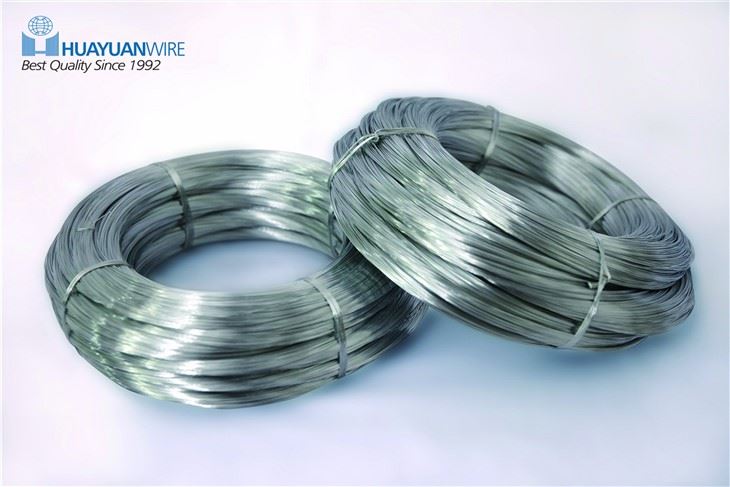
For example, the Fruit Wire can be used in some cases to support the Blasting Line. It's strong and flexible, which makes it ideal for situations where you need to secure the line on a slope.
The El Galvanized Wire is another great option. Its galvanized coating helps to protect it from corrosion, which is important if the Blasting Line will be exposed to the elements for an extended period.
And don't forget about Silk Fruit Bag. While it might not seem like it at first, these bags can be used to create a buffer or support structure in some areas of the Blasting Line installation, especially if there are areas with uneven ground.
Installation Process
Now, let's get into the actual installation process. Start by laying out the Blasting Line along the planned route. Make sure it's straight and free of kinks. You can use stakes or other supports to hold the line in place while you're working.
As you're installing the line, pay close attention to the connections. They need to be tight and secure to prevent any leaks. Use appropriate fittings and make sure they're compatible with the pipes you're using.
On the slope, you'll need to anchor the line at regular intervals. This can be done using the wires we mentioned earlier or other suitable anchoring materials. The goal is to keep the line in place and prevent it from moving or shifting due to the force of the blasting materials or the natural movement of the ground on the slope.
If there are areas where the slope changes significantly, you might need to use additional supports or make adjustments to the line. For example, you could use brackets or braces to keep the line at the right angle.
Safety Precautions
Safety should always be your top priority when installing a Blasting Line in a sloped area. Wear appropriate personal protective equipment, such as hard hats, safety glasses, and gloves.
Make sure the area is clearly marked to prevent unauthorized access. If you're using heavy equipment, follow all the safety procedures for operating it on a slope.
When you're working on the line, be careful not to create any tripping hazards. Keep the work area clean and organized, and make sure all tools are properly stored when not in use.
Testing and Maintenance
After the installation is complete, it's time to test the Blasting Line. Start by running a small amount of blasting material through the line to check for any leaks or blockages. Make sure the pressure is within the recommended range.

Once you've confirmed that the line is working properly, you need to establish a regular maintenance schedule. Inspect the line regularly for signs of wear and tear, such as cracks or corrosion. Check the connections and anchors to make sure they're still secure.
If you notice any problems, address them immediately. Ignoring small issues can lead to bigger problems down the road, which could result in costly repairs or even safety hazards.
Conclusion
Installing a Blasting Line in a sloped area is definitely a challenging task, but with the right planning, materials, and installation techniques, it can be done successfully. By following these guidelines, you'll be able to ensure that your Blasting Line performs well and lasts for a long time.
If you're interested in purchasing high - quality Blasting Line materials or need more advice on installation, don't hesitate to reach out. We're here to help you with all your Blasting Line needs. Whether you're a small contractor or a large industrial company, we've got the products and expertise to make your project a success. Contact us today to start the conversation and get a quote for your Blasting Line requirements.
References
- Industrial Blasting Handbook, published by the Blasting Association
- Guidelines for Pipe Installation on Slopes, issued by the Engineering Council for Construction Projects