

Can I use wire for mesh or fence for a pigsty?
Hey there, folks! As a supplier of wire for mesh or fence, I often get asked this question: Can I use wire for mesh or fence for a pigsty? Well, let's dive right into this topic and find out.
First off, yes, you absolutely can use wire for mesh or fence in a pigsty. There are several good reasons for choosing wire mesh or fences. Pigs are relatively strong animals, especially as they grow up. A well - made wire mesh or fence can provide a sturdy barrier to keep them inside the pigsty and safe from potential predators outside.
One of the key factors to consider when using wire for a pigsty is the strength of the wire. Pigs are curious and can be quite pushy. They might lean on the fence or try to nudge through it to explore. You need a wire that can withstand this kind of pressure. For instance, 0.30mm Hot Dipped Galvanized Wire is a great option. The hot - dipped galvanization process gives the wire an extra layer of protection against rust and corrosion. This means it'll last longer in the often - damp environment of a pigsty. And its thickness of 0.30mm provides a good balance between flexibility and strength, making it difficult for pigs to break through.
Another important aspect is the type of mesh. A proper mesh size is crucial. If the mesh is too large, pigs, especially the younger ones, might be able to squeeze through. On the other hand, if it's too small, it can be more expensive and might not be necessary for containing pigs. A common and effective mesh size for a pigsty is around 2 - 4 inches. This allows for good visibility and ventilation while still keeping the pigs safely within the pigsty.
When it comes to the overall structure of the fence or mesh, you need to think about how it's installed. The poles that support the wire mesh should be firmly planted in the ground. Concrete footings can be a great addition to ensure the stability of the poles, especially if you have a large pigsty or if the area is prone to strong winds. Hogs are not just strong but also have a lot of energy. A wobbly fence can easily be knocked down by a determined pig.
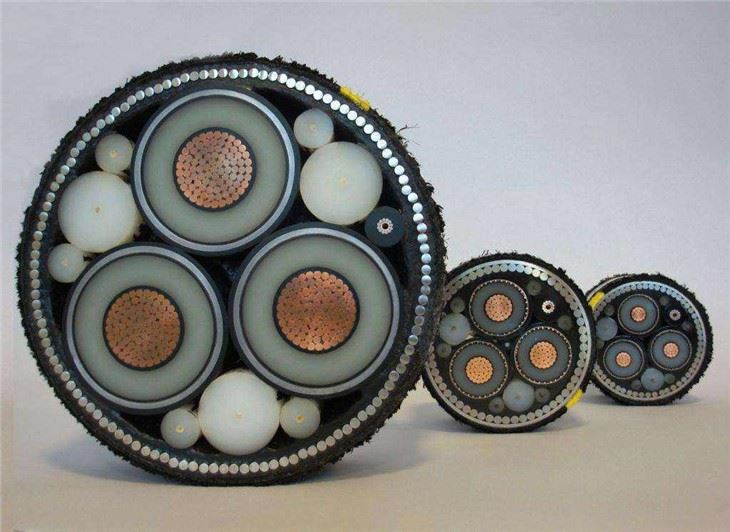
Now, let's talk about another excellent wire option for your pigsty: Submarine Galvanized Steel Wire. As the name might suggest, this wire is tough as nails. It's designed to be used in harsh underwater conditions, which means it can definitely handle the challenges of a pigsty. The heavy - duty galvanization on this wire offers superior protection against rust caused by moisture from the pigs' water troughs, urine, or rain. It also has high tensile strength, making it resistant to the pulling and pushing forces that pigs can exert on the fence.
One of the less - known but also very useful wires is Zinc - 5%Aluminum - Mixed Wire For Gabion Mesh. This wire's composition gives it enhanced corrosion resistance compared to traditional galvanized wire. In a pigsty, where there are often various chemical reactions happening due to the presence of pig waste, this kind of wire can hold up better over time. Using it to create a gabion - style fence can add an extra layer of security, as gabions are large, wire - filled cages that can act as a buffer against the pigs' pushing.
But it's not all sunshine and rainbows when using wire for a pigsty. There are a few things to watch out for. One of them is the sharp edges. Some wires might have sharp ends after cutting. These can pose a risk to the pigs, causing cuts or injuries. So, when installing the wire mesh or fence, make sure to trim the edges properly or use edge protectors. Another thing is to regularly inspect the wire for any signs of damage. Pigs can gnaw on the wire, which over time can weaken it. And environmental factors like extreme weather can also take a toll on the wire.

In terms of cost, using wire for a pigsty is generally more cost - effective than some other options like solid wood or concrete walls. It's easier to install, and you can cover a large area with a relatively small investment. Plus, if a section of the wire mesh gets damaged, it's usually a lot simpler and cheaper to replace than a damaged part of a wooden or concrete structure.
If you're thinking about getting into the pig - raising business, using wire for your pigsty is a smart move. It provides a practical, durable, and cost - effective solution for housing your pigs. And as a supplier, I've got all the types of wire you need, from the tried - and - true galvanized wires to the more advanced alloy - mixed ones.
Whether you're a small - scale pig farmer with just a few pigs or a large - scale commercial operation, the right wire for mesh or fence can make a big difference in your pigsty. It can keep your pigs safe, secure, and contained, while also being easy on your wallet.
So, if you're interested in learning more about the different types of wire we have available for your pigsty, or if you want to discuss the best options for your specific needs, don't hesitate to reach out. We're here to help you make the right choice and get the most out of your wire purchase. Let's have a chat and see how we can build the perfect pigsty fence together.
References
- General knowledge on pig - raising and wire usage in farm settings.
- Industry knowledge from being a wire for mesh or fence supplier.