

As a supplier of peg wire, I often get asked about its safety. This is a crucial question, especially considering the wide range of applications where peg wire is used. In this blog, I'll delve into the various aspects of peg wire safety, exploring its composition, usage scenarios, and potential risks.
Composition of Peg Wire
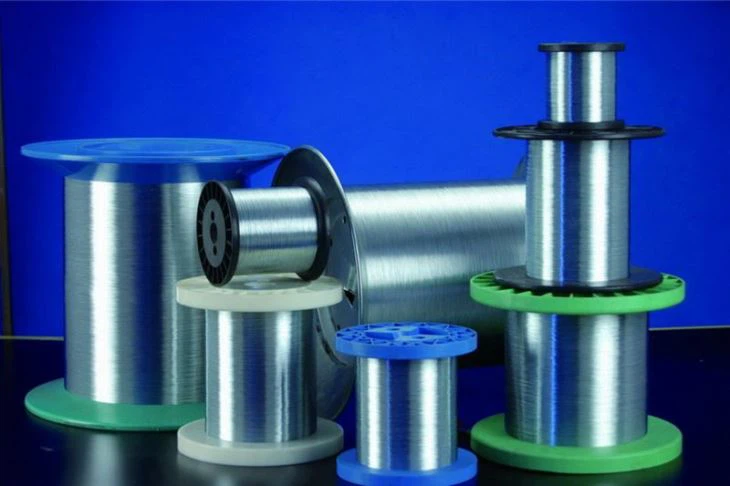
Peg wire comes in different types, with one of the common ones being electro - galvanized wire. Electro - galvanized wire is produced by electroplating a thin layer of zinc onto a steel wire. This process enhances the wire's corrosion resistance, making it suitable for both indoor and outdoor applications. You can learn more about Electro Galvanized Wire for Mesh and Electro Galvanized Wrie on our website.
The zinc coating on the peg wire acts as a sacrificial anode. In the presence of moisture and oxygen, the zinc corrodes instead of the underlying steel, protecting the wire from rust and degradation. This is a significant safety feature as rusty wires can weaken over time, posing a risk of breakage, especially in load - bearing applications.
Safety in Different Usage Scenarios
Construction
In the construction industry, peg wire is used for various purposes such as tying rebar together in concrete structures. When used correctly, peg wire provides a secure connection that helps maintain the structural integrity of the building. The electro - galvanized coating ensures that the wire remains strong and reliable even in harsh environmental conditions.
However, safety precautions must be taken during installation. Workers should wear appropriate protective gear, such as gloves, to avoid cuts from the sharp edges of the wire. Also, proper tensioning of the wire is essential. Over - tensioning can cause the wire to snap, while under - tensioning may result in a loose connection that compromises the stability of the structure.
Gardening and Agriculture
Peg wire is also widely used in gardening and agriculture. It can be used to support plants, create fences, or tie down tarps. In these applications, the safety of peg wire is generally high. The electro - galvanized coating is non - toxic and does not pose a threat to plants or soil.
When using peg wire in the garden, it's important to ensure that the wire is not left exposed in a way that could harm animals or people. For example, loose ends of the wire should be bent or removed to prevent entanglement.

Packaging
In the packaging industry, peg wire is used for bundling products together. The smooth surface of the electro - galvanized wire reduces the risk of scratching or damaging the packaged items. Additionally, the wire's strength ensures that the bundle remains intact during transportation and storage.
Potential Risks and Mitigation
Chemical Exposure
Although the zinc coating on electro - galvanized peg wire is generally safe, there is a small risk of zinc poisoning if the wire is ingested. This is extremely rare, but it's important to keep peg wire out of reach of children and animals.
If the wire is exposed to certain chemicals, such as strong acids or alkalis, the zinc coating may be damaged. This can lead to corrosion of the underlying steel. To mitigate this risk, it's important to store peg wire in a dry and chemical - free environment.
Physical Hazards
As mentioned earlier, the sharp edges of peg wire can cause cuts. Workers and users should be trained on how to handle the wire safely. When cutting the wire, appropriate tools should be used to ensure a clean cut and minimize the risk of sharp burrs.
Comparison with Other Types of Wires
Galvanized vs. Non - Galvanized Wires
Non - galvanized wires are more prone to rust and corrosion compared to electro - galvanized peg wire. Rusty wires are not only less safe but also less durable. They may break under stress, leading to potential accidents.
For example, in a fence application, a non - galvanized wire may rust through in a few years, while an electro - galvanized wire can last much longer, providing a more reliable and safe barrier.
Different Grades of Galvanized Wires
There are different grades of electro - galvanized wire, each with varying thicknesses of the zinc coating. Higher - grade wires with thicker zinc coatings offer better corrosion resistance and are generally safer for long - term use. You can find more information about El Galvanized Wire on our website.
Conclusion
In conclusion, peg wire, especially electro - galvanized peg wire, is generally safe to use when proper precautions are taken. Its corrosion - resistant properties, strength, and versatility make it a popular choice in many industries. However, users must be aware of the potential risks and take appropriate measures to mitigate them.
If you're in the market for high - quality peg wire, we are here to provide you with the best products. Our Electro Galvanized Wire for Mesh, Electro Galvanized Wrie, and El Galvanized Wire are manufactured to the highest standards, ensuring both safety and performance. Contact us to discuss your specific requirements and start a procurement negotiation.
References
- "Handbook of Galvanizing: Principles and Processes" by George A. Padilla
- "Construction Safety Manual" by the Occupational Safety and Health Administration (OSHA)
- "Agricultural Engineering Handbook" by the American Society of Agricultural and Biological Engineers (ASABE)